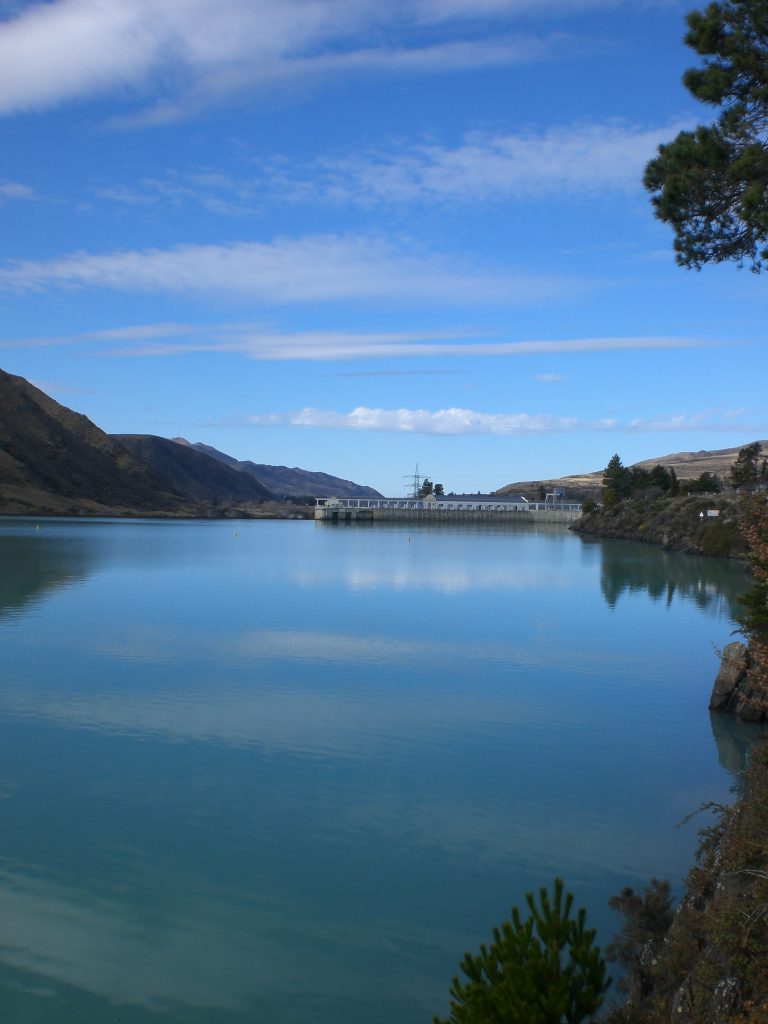
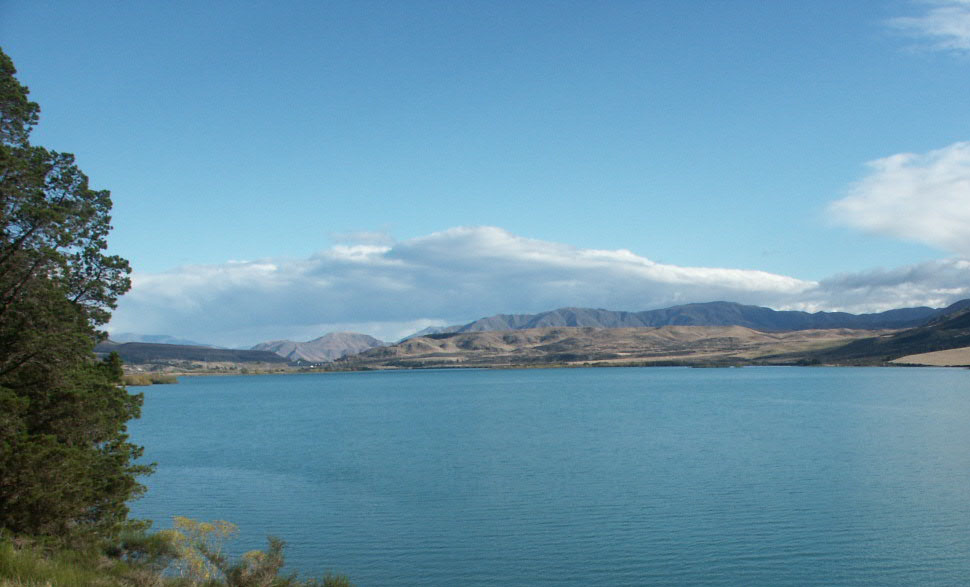
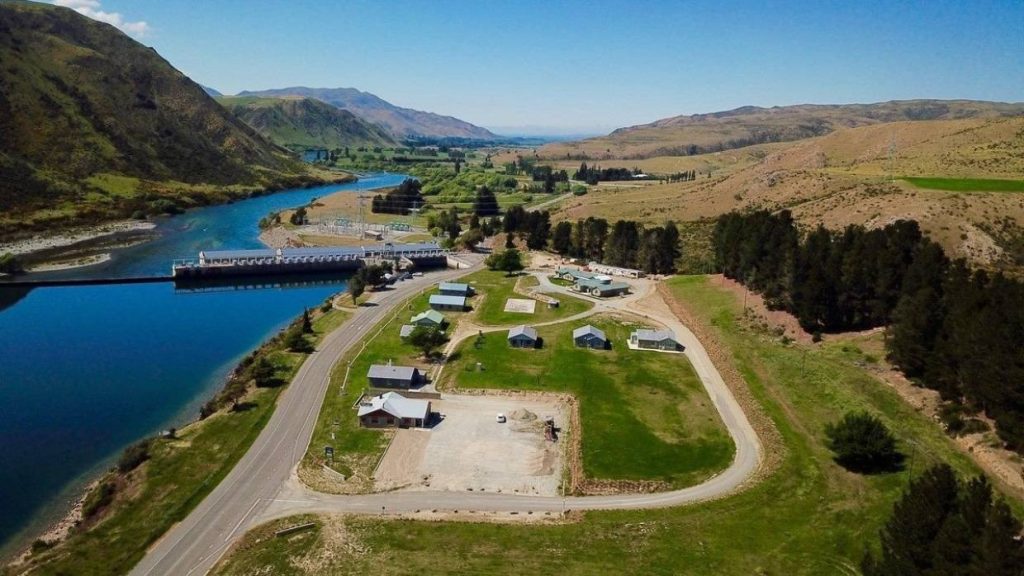
In New Zealand’s South Island, the southern region is known by anglers for its pristine environment for trout fishing. From crystal-clear lakes and rivers to its waterways that are surrounded by beautiful landscapes and mountains this region is offers a beautiful opportunity for outdoor, fishing or nature enthusiasts. The southern region has a rich fishing heritage and diverse array of water ways for brown and rainbow trout as well as opportunity to indulge in different fishing methods.
Escape From The Everyday
Once you’ve automated your business, and you finally have a chance to get away from it all, there is no better place to stay and partake of trout fishing activities than at Lake Waitaki lodge.
Where to Fish in the South Island
The southern region in New Zealand’s South Island is known for its large and clear lakes. They offer ranges of experiences for natures lovers, outdoor enthusiasts and anyone seeking to go trout fishing.
In the Fiordland National Park, you can find Lakes Te Anau and Manapouri which are popular spots for both brown and rainbow trout. These Lakes are glacial fed and offer a habitat where trout can thrive. In the South Island there is also excellent fishing opportunities in the Mataura River and in Otago Lake Wanaka and Lake Hawea are claimed to be prime destinations for fly and spin fishing.
The Caitlins Coast is also another popular destination for prize trout fishing, there you’ll find the Rangitata and Waitaki River. The Waitaki River is also known by anglers for their salmon runs and is relatively easy to access.
Trout Species
In the southern lake region, you can find Brown trout also known as Salmo trutta, as well as rainbow trout, which can be referred to as Oncorhynchus mykiss.
Brown trout are olive-brown coloured with dark spots. Brown trout can grow to impressive sizes, if you find yourself catching one over ten pounds, it’s not unusual, trophy sizes brown trout can exceed 20 pounds in weight. Typically, you can find brown trout in rivers, streams, and lakes, often in deeper parts of water.
Rainbow trout are known for their vibrant pink and red colours stripe that runs along their sides, also with dark spot on their back, fins, and tail. Rainbow trout can vary in size although the most common are between 8 and 10 pounds, with larger sizes which can exceed 10 pounds. They often occupy shallower areas of lakes, which can adapt, and thrive in both still water lakes and flowing water like rivers.
Both offer diverse fishing experiences, brown is sought after for their trophy potential and the thrill and adventure, whilst rainbow trout can be apricated for their vibrant colours. Whether you’re a seasoned angler or chasing an adventure the southern lakes region offers opportunities to catch either of the trout species.
Trout Fishing Seasons
Fishing in the southern lake’s region is subject to seasonal changes and regulations that are designed to protect the trout population and its waters. When planning an angling trip its important to consider the different fishing seasons.
The summer season is from late November to early march and during this time the weather is warmer, and both trout species are more active and visible. During this time regulations are typically lenient, although depending on the waters where you fish will affect bag limits, size restrictions and other regulations.
Autumn season, from late march to may offers excellent fishing conditions for the southern region lakes. Brown trout usually are more active as they prepare for spawning and expect regulations to be like the summer months although there may be some regulations about angling to protect spawning fish.
From June to late September is the winter season which is a closed season and off limits for trout fishing, to protect the trout during the spawning season.
Spring season lasts October to mid-November and is the opening of fishing season.
Fishing Methods
Fly fishing is one of the more popular forms used for trout fishing. Fly fishing uses lightweight rod and artificial flies that appear as insects that trout feed on. This method is effective, in the southern region’s clear rivers and streams so fisherman can engage in both dry fly and nymph fishing.
Spin fishing is another popular fishing method used in the South Island involving a spinning rod and reel to cast and retrieve lurers. Anglers will usually use this method in large rivers and lakes to catch both brown and rainbow trout.
Bait fishing uses live or natural bait to lure fish, this method is typically used by beginners because it is straightforward and simple which is suitable for the southern region river and lake waterways, whilst jigging method is best suited for deep waters, like fjords or large lakes. Jigging uses weighted lures.
Some other fishing methods include trolling, Spey casting and nymphing that are widely used by anglers in the South Island, Southern Region
South Island Southern Region Water Conservation
Landscape and water conservation is a vital part in preserving the beauty and ecological integrity of the Southern Regions landscapes, waterways, and wildlife.
Conservationist efforts aim to protect and conserve native species and their habitats. These native species go further than just the trout found in the water but to native plants like flora and the iconic kiwi bird, numerous strategies are employed to safekeep there environments. Activities like predator control, island sanctuaries, habitat restoration and translocation programs, to ensure long time survival.
Sustainable fishing practices are also managed to ensure the longevity of the trout species. These involve season closures, regulations, such as, catch limits and sizes restrictions and guidelines for anglers to follow which will reduce their impact on the habitat.
Furthermore, conservationist conduct constant research and monitoring of the landscapes and habitats to understand the health of the southern region’s ecosystem, to make informed, smart decisions regarding conservations. Collecting information on water quality, species populations and what impact human activity has on certain areas.